Friday, May 23, 2014
Reflection paragraph on process
I felt like trying to completely answer the questions I had for my research project was the most difficult part. The most easy part was finding relating quotes because there were so many about psychology. The part I enjoyed most was making the Animoto video. That part was simple, fun and quick. If I had to do this project again I would choose to research music and various artist because I think that would interest me more than what psychology did. Overall, this was a great experience, and at least in the end I knew more than what I did in the beginning.

Reflection paragraph on sources
The sources I used in my research were fairly reliable. As I stated in an earlier post, there was no complete explanation for the questions I had, but, there were several different theories that different scientists had on my questions. Regardless, I'd have to say that About.com was the most reliable resource. That website gave me the most information on the theories and facts about different psychologists.
Works cited
"Neurolove.me." Neurolove.me. N.p., n.d. Web. 15 May 2014.
"Psychology Basics." About.com Psychology. N.p., n.d. Web. 13 May 2014
"Psychology Theories." About.com Psychology. N.p., n.d. Web. 12 May 2014
Cherry, Kendra. "Learn the Basics of Psychology." About.com Psychology. About.com, n.d. Web. 13 May 2014.
"Neurolove.me." Neurolove.me. N.p., n.d.
"Psychology Basics." About.com Psychology. N.p., n.d. Web. 13 May 2014
"Psychology Theories." About.com Psychology. N.p., n.d. Web. 12 May 2014
Cherry, Kendra. "Learn the Basics of Psychology." About.com Psychology. About.com, n.d. Web. 13 May 2014.
"Neurolove.me." Neurolove.me. N.p., n.d.
Thursday, May 22, 2014
Wordle #2 based on topic key terms
    <a href="http://www.wordle.net/show/wrdl/7874989/psychology_25_words"
          title="Wordle: psychology 25 words"><img
          src="http://www.wordle.net/thumb/wrdl/7874989/psychology_25_words"
          alt="Wordle: psychology 25 words"
          style="padding:4px;border:1px solid #ddd"></a>
Reflection paragraph on findings.
I admit I did learn a couple things from my research. What I learned that was surprising was that there are rarely complete answers for any of the questions I had. It seems as psychology may be a tough subject that has not been completely unraveled yet. All my questions still remain the same. My goal is still to get them all answered.
Finding paragraph #3
What is psychology?
Basically, psychology is the scientific study of the human mind and its functions, especially those affecting behavior in a given context. Psychology is both an applied and academic field that studies the human mind and behavior. Research in psychology seeks to understand and explain how we think, act and feel. As most people already realize, a large part of psychology is devoted to the diagnosis and treatment of mental health issues, but that's just the tip of the iceberg when it comes to applications for psychology. In addition to mental health, psychology can be applied to a variety of issues that impact health and daily life including performance enhancement, self-help, ergonomics, motivation, productivity, and much more.
N.p., n.d. Web.
Basically, psychology is the scientific study of the human mind and its functions, especially those affecting behavior in a given context. Psychology is both an applied and academic field that studies the human mind and behavior. Research in psychology seeks to understand and explain how we think, act and feel. As most people already realize, a large part of psychology is devoted to the diagnosis and treatment of mental health issues, but that's just the tip of the iceberg when it comes to applications for psychology. In addition to mental health, psychology can be applied to a variety of issues that impact health and daily life including performance enhancement, self-help, ergonomics, motivation, productivity, and much more.
N.p., n.d. Web.
Finding paragraph #2
What causes mental illness?
The exact cause of most mental illnesses is not known. It is, though, becoming clear through research that many of these conditions are caused by a combination of genetic, biological, psychological, and environmental factors -- not personal weakness or a character defect -- and recovery from a mental illness is not simply a matter of will and self-discipline.
N.p., n.d. Web.
The exact cause of most mental illnesses is not known. It is, though, becoming clear through research that many of these conditions are caused by a combination of genetic, biological, psychological, and environmental factors -- not personal weakness or a character defect -- and recovery from a mental illness is not simply a matter of will and self-discipline.
N.p., n.d. Web.
Finding Paragraph #1
Why do we Dream?
Although many theories have been proposed on the question of why we dream, there has not yet been an absolute answer. Therefore, I am unable to answer my question to the complete fullest but, I can make out an idea based on the theories that have been made.
Sigmund Freud’s theory of dreams suggested that dreams were a representation of unconscious desires, thoughts and motivations. According to Freud’s view of personality, people are driven by aggressive and sexual instincts that are repressed from conscious awareness. While these thoughts are not consciously expressed, Freud suggested that they find their way into our awareness via dreams.
The activation-synthesis model of dreaming was first proposed by J. Allan Hobson and Robert McClarley in 1977. According to this theory, circuits in the brain become activated during REM sleep, which causes areas of the limbic system involved in emotions, sensations and memories, including the amygdala and hippocampus, to become active. The brain synthesizes and interprets this internal activity and attempts to find meaning in these signals, which results in dreaming.
"Why Do We Dream? The Most Popular Theories." About.com Psychology. N.p., n.d. Web. 20 May 2014.
Although many theories have been proposed on the question of why we dream, there has not yet been an absolute answer. Therefore, I am unable to answer my question to the complete fullest but, I can make out an idea based on the theories that have been made.
Sigmund Freud’s theory of dreams suggested that dreams were a representation of unconscious desires, thoughts and motivations. According to Freud’s view of personality, people are driven by aggressive and sexual instincts that are repressed from conscious awareness. While these thoughts are not consciously expressed, Freud suggested that they find their way into our awareness via dreams.
The activation-synthesis model of dreaming was first proposed by J. Allan Hobson and Robert McClarley in 1977. According to this theory, circuits in the brain become activated during REM sleep, which causes areas of the limbic system involved in emotions, sensations and memories, including the amygdala and hippocampus, to become active. The brain synthesizes and interprets this internal activity and attempts to find meaning in these signals, which results in dreaming.
"Why Do We Dream? The Most Popular Theories." About.com Psychology. N.p., n.d. Web. 20 May 2014.
Thursday, May 15, 2014
Quote, Paraphrase and Citation #5
I do not trust people who don’t love themselves and yet tell me, ‘I love you.’ There is an African saying which is: Be careful when a naked person offers you a shirt.
— Maya Angelou
This quote is based on trust. Trust is a feeling of security. Feeling being an emotion ... this also relates to psychology.
"Neurolove.me." Neurolove.me. N.p., n.d. Web. 15 May 2014.
Wednesday, May 14, 2014
Quote, paraphrase, and citation #4

 These quotes relate to my research topic by talking about emotions and the effects of those emotions. There talking about over-thinking, mental breakdowns, and unexpressed emotions. all these have to do with your brain and what its telling you.
Graph/Chart/Map and citation.
 This happiness graph relates to my research topic because its showing the time course of two different loves. Love and happiness, being emotions, have to do with the brain and what your brain is telling you about that emotion. Therefore, emotions and the brain are parts of psychology.
N.p., n.d. Web.
Quote, paraphrase, and citation #3
"Before you begin studying psychology, you need to gain a clear understanding of exactly what psychology is."
Exactly. Before I started on this research project I knew almost nothing about psychology. I barely knew how to spell it. But know that I'm researching it I'm learning more and more about psychology as we go.
"Psychology Basics." About.com Psychology. N.p., n.d. Web. 13 May 2014
Exactly. Before I started on this research project I knew almost nothing about psychology. I barely knew how to spell it. But know that I'm researching it I'm learning more and more about psychology as we go.
"Psychology Basics." About.com Psychology. N.p., n.d. Web. 13 May 2014
Tuesday, May 13, 2014
Photo,Caption, and Citation #3
 This picture is showing other things that go on in everybody's mind. Adults, Teens, etc... This picture relates to my topic because it deals with our brains and what we are thinking to cause our behavior.
Quote, paraphrase, and citation #2
"Much of what we know about human thought and behavior has emerged thanks to various psychology theories."
That's right. If people didn't actually take the time to study psychology and try to figure it out... we wouldn't know anything that we know today. Theories have helped us advance greatly not only in psychology but many other areas of study.
"Psychology Theories." About.com Psychology. N.p., n.d. Web. 12 May 2014.
That's right. If people didn't actually take the time to study psychology and try to figure it out... we wouldn't know anything that we know today. Theories have helped us advance greatly not only in psychology but many other areas of study.
"Psychology Theories." About.com Psychology. N.p., n.d. Web. 12 May 2014.
Photo, Caption, and Citation #2
 This picture is basically explaining what goes through the minds of people today. You can see the calling symbol, the text symbol, the picture symbol, and the music symbol. That's what most teenagers today think about all the time. This relates to my research because it is also an example of what goes on in our brains.
Quote, paraphrase, and citation #1
"...but there is actually a lot more to psychology than you might initially think."
This one quote out of everything Kendra said really stuck out to me. I say this because, if you really think about it, there really is alot more to psychology than what comes to mind at first. If you really think about it, there's reasons for the things we think, say, and do. It all leads up to the human brain and all the nerves and cells inside your brain. See? It's kind of like a breakdown.
Cherry, Kendra. "Learn the Basics of Psychology." About.com Psychology. About.com, n.d. Web. 13 May 2014.
This one quote out of everything Kendra said really stuck out to me. I say this because, if you really think about it, there really is alot more to psychology than what comes to mind at first. If you really think about it, there's reasons for the things we think, say, and do. It all leads up to the human brain and all the nerves and cells inside your brain. See? It's kind of like a breakdown.
Cherry, Kendra. "Learn the Basics of Psychology." About.com Psychology. About.com, n.d. Web. 13 May 2014.
Photo, Caption, and Citation. #1
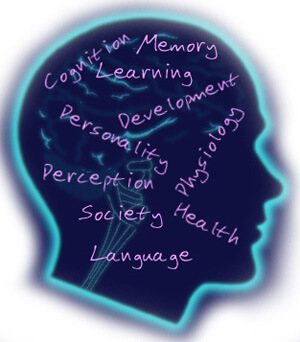
 This photograph shows the different moods or emotions a person goes through. It relates to my topic by stating the different moods and emotions a human can go through. Since psychology deals with the brain, emotions, actions, and behaviors... I feel like this is a perfect example.
Wordle .
        <a href="http://www.wordle.net/show/wrdl/7840058/psychology"
          title="Wordle: psychology"><img
          src="http://www.wordle.net/thumb/wrdl/7840058/psychology"
          alt="Wordle: psychology"
          style="padding:4px;border:1px solid #ddd"></a>
Monday, May 12, 2014
Preliminary links and description.
http://psychology.about.com/od/statesofconsciousness/p/dream-theories.htm
This link basically talks about dreams. It describes what dreams are, why we dream, and what effects it. This website was created by Kendra Cherry and it helps my research because it helps answer my questions about dreams.
http://www.simplypchology.org/sy
This link gives helping articles to upcoming students who are studying psychology. The articles help you understand more about what psychology is and gives theories about psychology. This can help me in understanding more about what psychology.
http://en.wikipedia.org/wiki/Psychology
This link tells me what psychology is, tells me about the different actions and what they could possibly mean. It talks about the different kinds of mental disorders and how you know you have them. I'm positive this will help me in my research by helping me explain the disorders and psychology.
This link basically talks about dreams. It describes what dreams are, why we dream, and what effects it. This website was created by Kendra Cherry and it helps my research because it helps answer my questions about dreams.
http://www.simplypchology.org/sy
This link gives helping articles to upcoming students who are studying psychology. The articles help you understand more about what psychology is and gives theories about psychology. This can help me in understanding more about what psychology.
http://en.wikipedia.org/wiki/Psychology
This link tells me what psychology is, tells me about the different actions and what they could possibly mean. It talks about the different kinds of mental disorders and how you know you have them. I'm positive this will help me in my research by helping me explain the disorders and psychology.
Friday, May 9, 2014
What I want to know about my topic.
I would actually like to know a lot about psychology. I would like to know why we dream, what effects the kind of dream we have, and what our dreams mean if they even mean anything. I want to know what makes someone your "friend". Like, why traits attract someone to want to talk to you and become closer to you. I want to know why we are afraid of the things we are afraid of and just basic stuff like that.
What I already know about my topic.
I don't really know anything about phycology. That is why I chose it. I wanted to research something I knew nothing about , that way I learned a lot more. Sort of like a challenge.
The story behind my topic choice.
I chose psychology as my research topic because although I don't know much about it, I find it very interesting. I'm sure when you talk to, meet, or see somebody you don't really think about how your brain is taking all that. It'd be cool to know why we dream or to know why we have the dreams we do have. I also want to know what affects the type of dream we have, or who/what we dream about. It just seems very interesting to know about why and how humans think or do.
Subscribe to:
Comments (Atom)